
𝗛𝗼𝘄 𝗰𝗼𝘂𝗹𝗱 𝗠𝘆𝗮𝗻𝗺𝗮𝗿 𝗯𝗲𝗰𝗼𝗺𝗲 𝗺𝗼𝗿𝗲 𝘀𝗲𝗹𝗳-𝗿𝗲𝗹𝗶𝗮𝗻𝘁 𝗶𝗻 𝗺𝗲𝗱𝗶𝗰𝗮𝗹 𝘀𝘂𝗽𝗽𝗹𝗶𝗲𝘀 𝗮𝗻𝗱 𝗲𝗾𝘂𝗶𝗽𝗺𝗲𝗻𝘁?
𝗪𝗜𝗡 𝗭𝗔𝗪 𝗔𝗨𝗡𝗚: Myanmar still depends on imports for medical equipment and 99% of medical consumables, including personal protective equipment. As one of Myanmar’s major suppliers of medical equipment and consumables, we were selling these supplies even before the outbreak of Covid-19 and have imported tens of thousands of protective overalls, and millions of face masks, goggles, face shields, air-purifying respirators, surgical gowns and nitrile examination gloves.
However, we do not yet have a manufacturing ecosystem for these supplies in Myanmar. This must be a priority for the future. While it will take some time to develop this, the pandemic is a wake-up call that every country must be self-reliant. In particular, the government needs to devise a national strategy to attract local and international businesses to invest in the manufacturing of medical supplies in Myanmar.
𝗪𝗵𝗲𝗿𝗲 𝗰𝗮𝗻 𝘁𝗵𝗲 𝗽𝗿𝗶𝘃𝗮𝘁𝗲 𝘀𝗲𝗰𝘁𝗼𝗿 𝗽𝗹𝗮𝘆 𝗮 𝗿𝗼𝗹𝗲 𝗶𝗻 𝘀𝘁𝗿𝗲𝗻𝗴𝘁𝗵𝗲𝗻𝗶𝗻𝗴 𝘁𝗵𝗲 𝗺𝗲𝗱𝗶𝗰𝗮𝗹 𝘀𝘂𝗽𝗽𝗹𝘆 𝗲𝗰𝗼𝘀𝘆𝘀𝘁𝗲𝗺 𝗶𝗻 𝗠𝘆𝗮𝗻𝗺𝗮𝗿?
𝗪𝗜𝗡 𝗭𝗔𝗪 𝗔𝗨𝗡𝗚: We have been working closely with the Ministry of Health and Sports in the supply chain management of medical equipment and supplies. Our public health system is vast, and there is a large amount of bureaucracy at every level. As a result, supply chain management has not been efficient enough to deliver essential medical supplies to hospitals and health care facilities on time.
We took pre-emptive measures to counteract this, considering both the level of demand during normal periods and the heightened demand during the pandemic. First, we calculated what would be necessary for the diagnosis, prevention and treatment of Covid-19, and then we imported as many medical supplies and equipment into Myanmar as we could – even before the government decided to buy them.
While it was a challenge to bring these supplies into the country, we did so successfully by using air freight, charter cargo and/or land transportation through the borders, and our logistics team ensured that we could deliver the supplies on time, even during the lockdown period.
Since the health crisis began, the government has realised that essential medical equipment and supplies cannot be bought immediately. This has demonstrated the importance of promoting the local manufacturing of medical supplies, which would not require a large amount of investment, nor would it need very sophisticated technologies or skills.
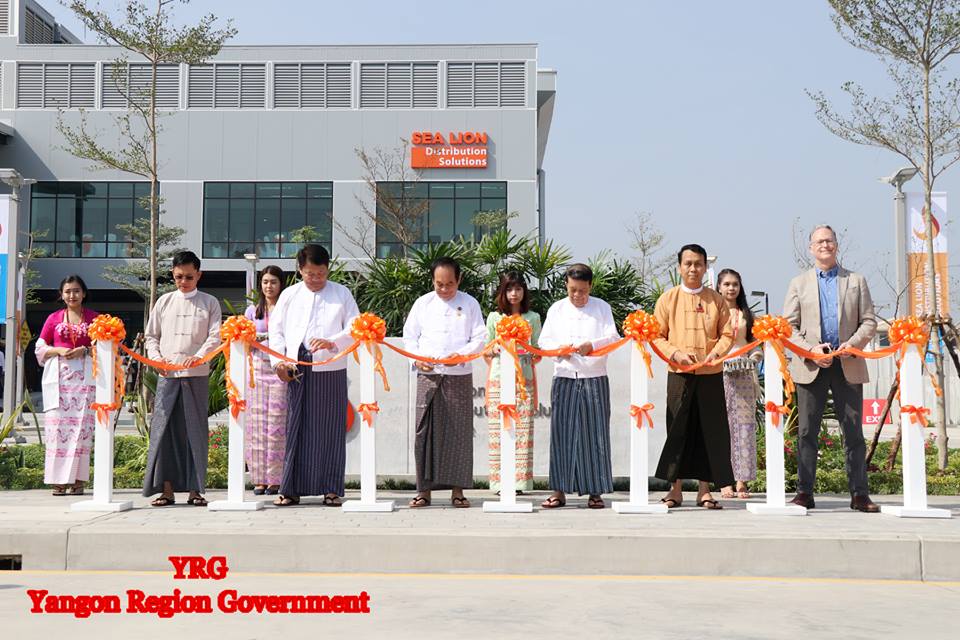
We have been exploring the possibility of establishing a manufacturing facility in Myanmar, and this is now in the pipeline. We built a distribution solutions centre, which opened in March 2019, and reserved around 50% of the land for future manufacturing. We had originally planned to construct this within the next three to five years but, given the current situation, we now recognise the need to do this sooner – and we hope that the government will offer incentives for the local production of essential medical supplies.
𝗪𝗵𝗶𝗰𝗵 𝗽𝗿𝗼𝗱𝘂𝗰𝘁𝘀 𝗱𝗼 𝘆𝗼𝘂 𝗲𝘅𝗽𝗲𝗰𝘁 𝘁𝗼 𝗺𝗮𝗻𝘂𝗳𝗮𝗰𝘁𝘂𝗿𝗲 𝗮𝘁 𝘁𝗵𝗲 𝗻𝗲𝘄 𝗺𝗮𝗻𝘂𝗳𝗮𝗰𝘁𝘂𝗿𝗶𝗻𝗴 𝗳𝗮𝗰𝗶𝗹𝗶𝘁𝘆?
𝗪𝗜𝗡 𝗭𝗔𝗪 𝗔𝗨𝗡𝗚: We are currently looking to determine a line of products for the domestic market and the export market. First, we need to ensure that we have the right technologies and can source the necessary raw materials from within the country or neighbouring countries, and then we can manufacture the finished products to first serve the domestic market and then to export – particularly outside of Asia.
The primary export markets are likely to be the US, where we have contacts and the majority of our multinational partners are based, and Europe. We may undertake this independently, or we may work with our partners and create a joint venture in Myanmar for the manufacturing arm of the process. With regards to distribution, we are building a different, IT-driven supply chain system.
We have taken advantage of remote working to accelerate the finalisation of our e-commerce platform for medical supplies. The platform is now finished and we hope to launch it by the end of May 2020, having shortened the timeline by around six months. The e-commerce business plan also incorporates our logistics solutions, warehouse management system and enterprise resource planning to create a highly integrated and sophisticated supply chain system.
Link: https://oxfordbusinessgroup.com/views/win-zaw-aung-chairman-and-ceo-sea-lion-group